

Welding - Skills Programme - TECH – NON-NQF
Skills Programmes - Welding
This training equips learners with foundational knowledge in welding processes, metal cutting, and workshop safety. It includes practical skills in Arc, MIG, and TIG welding, as well as oxyacetylene cutting. Participants will also develop competencies in tool usage and interpreting weld schematics. The program aims to prepare trainees for roles such as welder, metal fabricator, or workshop assistant in industries such as construction, manufacturing, or automotive repair. Lunch is included on Training Days.
Programme Structure
Phase 1
Welding Module 1: Welding Safety & Workshop Fundamentals
Duration: 2 Days
Focus: Foundation welding competence
Competencies Covered:
- Workshop and welding safety
- PPE requirements and safe work practices
- Welding tools, equipment, and consumables
- Identification of materials
- Basic hand tools and measuring equipment
Phase 2
Welding Module 2: Arc Welding (SMAW)
Duration: 4 Days
Focus: Core welding skill development
Competencies Covered:
- Arc welding principles
- Electrode types and selection
- Bead, fillet, and butt welds
- Weld quality inspection
- Basic weld defect identification
Welding Module 3: Gas Welding & Cutting
Duration: 4 Days
Focus: Thermal cutting and joining
Competencies Covered:
- Oxy-acetylene equipment and safety
- Gas cutting techniques
- Basic gas welding
- Heating and bending metal
- Practical cutting assessment
Welding Module 4: MIG Welding
Duration: 4 Days
Focus: Semi-automatic welding skills
Competencies Covered:
- MIG welding equipment and setup
- Wire types and shielding gases
- Welding flat and horizontal joints
- Weld appearance and penetration
- Practical MIG welding assessment
Welding Module 5: TIG Welding
Duration: 4 Days
Focus: Precision welding techniques
Competencies Covered:
- TIG welding principles and setup
- Tungsten selection and shielding gases
- Welding thin materials
- Clean weld finishes
- TIG welding practical assessment
Phase 3
Welding Module 6: Metal Finishing & Fabrication Basics
Duration: 2 Days
Focus: Supporting fabrication skills
Competencies Covered:
- Metal cutting and grinding
- Metal bending
- Surface preparation
- Conventional and spray painting
- Final practical task
Duration: 4 Weeks
Minimum Group Size: 5 delegates
Entry Requirements:
- Grade 10 with Mathematics
or Mathematics Literacy - EGD Recommended
Included:
- Limited Toolbox and PPE (Jacket, Gloves & Safety Goggles)
- Training Materials & Consumables provided
- Safety Shoes compulsory (learner to be in possession)


Build Practical Ability Through a Welding Skills Programme & Training
Welding is a trade where practical ability counts. Learners need to become comfortable working in a workshop, handling equipment responsibly, preparing materials correctly and completing tasks with care. KYB Academy’s Welding Skills Programme is designed for learners who want focused exposure to welding and metalwork without committing immediately to a full occupational qualification.
The Welding skills training programme gives learners the opportunity to develop practical workshop confidence while learning the habits expected in technical environments. It can suit someone entering the trades for the first time, a learner who wants to test their interest in welding before pursuing longer training, or a person who wants useful hands-on welding skills for work in fabrication, maintenance, construction or related industries.
For learners searching for a welding course in South Africa, the value of a shorter skills programme lies in its concentrated format. Training is centred on practical competence, safe working behaviour and applying what has been taught to workshop tasks.
Build Practical Ability Through a Welding Skills Programme & Training
Welding is a trade where practical ability counts. Learners need to become comfortable working in a workshop, handling equipment responsibly, preparing materials correctly and completing tasks with care. KYB Academy’s Welding Skills Programme is designed for learners who want focused exposure to welding and metalwork without committing immediately to a full occupational qualification.
The Welding skills training programme gives learners the opportunity to develop practical workshop confidence while learning the habits expected in technical environments. It can suit someone entering the trades for the first time, a learner who wants to test their interest in welding before pursuing longer training, or a person who wants useful hands-on welding skills for work in fabrication, maintenance, construction or related industries.
For learners searching for a welding course in South Africa, the value of a shorter skills programme lies in its concentrated format. Training is centred on practical competence, safe working behaviour and applying what has been taught to workshop tasks.
Who Is the Welding Skills Programme For?
KYB Academy’s Welding Skills Training Course can be a strong starting point for people who are practically minded and interested in working with metal, tools and technical equipment. Previous welding experience is not the main requirement for gaining value from the programme. A willingness to learn, follow workshop procedures and build skill through repeated practice is far more important.
This type of welding training may suit:
- School leavers considering a practical or technical career path
- Job seekers who want to add useful workshop skills to their CV
- Learners considering future studies in welding, fabrication or an artisan trade
- Employees who need broader exposure to basic welding and metalwork
- People working around maintenance, construction or fabrication environments
- Learners who prefer hands-on technical training to a mainly classroom-based learning experience
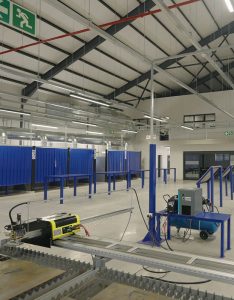
Welding requires concentration, patience and discipline. A learner may understand a process in theory, but good practical work develops through correct setup, controlled movement, preparation, observation and repetition.
How Learners Benefit From Our Practical Welding Training Course
A welding skills course should do more than introduce equipment. Learners need to leave training more capable, more safety-conscious and better prepared for the expectations of a working workshop.
One of the main benefits of KYB Academy’s practical welding training is exposure to the complete working process around a welding task. That includes preparing for the job, selecting and handling tools, working safely, completing the task and checking the finished work.
Learners can develop:
- Greater confidence working with welding equipment and workshop tools
- Better awareness of workshop hazards and safe working procedures
- Improved hand-eye coordination and control during practical tasks
- Familiarity with metalworking activities and workshop routines
- A disciplined approach to preparation, accuracy and task completion
- Practical experience that can support future technical training or entry-level employment
The ability to work safely is especially valuable. Welding environments involve heat, electricity, gases, sparks, sharp material and moving workshop activity. Learning to respect procedures and use equipment responsibly helps develop professional habits expected in technical workplaces.
We Teach Welding Skills That Support Workplace Readiness
Employers in technical industries look for more than someone who has seen welding equipment before. They need people who can listen to instructions, work carefully, respect safety requirements, use tools responsibly and contribute productively in a workshop.
A practical Welding Skills Course helps connect technical training with workplace expectations. Learners become more familiar with working to a task, checking their own work and maintaining an organised work area. They also begin to see how welding fits into broader fabrication and repair activities.
This can be relevant in industries such as engineering, manufacturing, construction, maintenance, automotive repair and general metal fabrication. The programme does not guarantee employment, but it can give learners practical exposure and a stronger base from which to pursue work or additional technical development.
Develop a Stronger Foundation for Welding and Metal Fabrication
Welding and fabrication are closely connected. Before two pieces of metal can be joined effectively, the learner needs to consider material preparation, measurements, fit-up, positioning and the required result. Poor preparation can affect the quality of the finished work even when the welding process itself is performed correctly.
That is why practical metalwork exposure adds value to welding training. Learners start to think about the job as a complete task rather than focusing only on creating a weld.
This broader workshop mindset can support future roles where employees may assist with fabrication, repairs, maintenance work, steel structures, components or general workshop production. For learners who continue their technical studies, the experience can also make more advanced welding concepts easier to approach because they already have a practical frame of reference.
Welding Training Course Focused on Employable Practical Skills
Technical ability develops through doing. Learners need time with tools, materials and equipment, as well as opportunities to correct mistakes and improve their technique. KYB Academy’s Welding Skills Programme provides a concentrated practical learning experience for people who want to build useful welding and metalwork capability.
For someone starting out, that experience can create a valuable bridge between interest and ability. The learner gains a clearer picture of workshop life, develops greater confidence around technical tasks and begins building skills that may be used in further training or entry-level work.
If you are considering welding training in South Africa and want a practical programme that introduces core workshop skills before you decide on a longer qualification, KYB Academy’s Welding Skills Programme offers a focused place to start.
Contact KYB Academy to enquire about upcoming Welding Skills Programme intakes, programme availability and enrolment requirements.
Read more about our Artisan Training Centre.