


Transportation Electrician (Automotive Electrician) Training Centre – TECH – OC
Occupational Certificates - Transportation Electrician Training Centre / Course
The Transportation Electrician training course qualification equips learners to excel as skilled professionals in industries such as motor dealerships, government departments, and independent workshops. Through comprehensive training, students will acquire the expertise needed to become proficient in testing, diagnosing, servicing, and repairing the automotive electrical systems of modern vehicles, where electrical and electronic systems are deeply integrated with mechanical components. This includes performing a range of tasks, such as scheduled maintenance on battery systems, starting and charging systems, networking and data transfer systems, and advanced driver assistance systems, among others, to ensure the safety, reliability, and efficiency of vehicles.
Programme Structure
Phase 1
KYB Academy’s Technical Campus - Knowledge (KM) and Practical Modules (PM)
Integrates various components such as classroom sessions, introductory safety workshops, and foundational theoretical modules to establish a strong educational base. As students progress, they engage in advanced practical workshops, collaborative group projects, and individual assignments designed to enhance their expertise and deepen their understanding. The initial months focuses on core trade principles, basic concepts, and essential safety practices, whereafter students advance to developing in-depth technical skills, mastering problem-solving strategies, and applying theoretical knowledge to practical scenarios.Phase 2
Workplace Approved Host Company - Work-Integrated-Learning Logbook
Emphasizes the extensive hands-on experiences, complex projects, and the integration of theoretical and practical skills within the workplace. This focuses on furthering the development of the students skills by mastering advanced techniques, solving real-world problems, and preparing for certification.Phase 3
KYB Academy’s Technical Campus – Gap Analysis Assessment and Final External Integrated Summative Assessment (EISA Trade Test)
Assesses the hands-on practical experience through complex scenarios and integrating theoretical with practical skills. It focuses on assessing the advanced techniques and real-world problem-solving abilities to achieve certification as a Qualified Artisan.Outcome: Graduates of the Transportation / Automotive Electrician Training programme will be well-prepared to enter the workforce as competent Artisans in their chosen trade. They will possess a strong foundation in technical skills, practical experience, and problem-solving abilities, aligning with both national and international standards. This structured approach ensures that students gain a comprehensive education, balancing theoretical knowledge with practical skills, and preparing them for a successful career in the technical trades. Become a qualified Automotive Electrician at KYB Training Centre.
SAQA ID: 117042
Non-NQF: Level 4
Credits: 554 (KM-126, PM-140, WIL-288)
- Phase 1: 15 Months
- Phase 2: 18 Months
- Phase 3: 3 Months (subject to Gap Analysis Assessment)
Accreditation: 06-QCTO/SDP150124204130
Intake Dates: Dates will be confirmed after enrolment.
- 1st Intake: January / February
- 2nd Intake: June / July
Entry Requirements:
- NQF: Level 1 (Gr9) with 40% in Mathematics and Science subject to a KYB Assessment, or
- NQF: Level 2 (Gr10) with 40% Mathematics or Mathematical Literacy or Technical Mathematics
- 16 Years of Age, and
- RSA ID or Passport with a study permit
Included:
- Fully equipped Trade specific Toolbox
- Personal Protective Equipment (PPE set)
- 2 x KYB Branded Overalls
- 2 x KYB Branded T-Shirt/Golfer
- 1 x KYB Branded Jacket/Hoodie
- 1 x pair Safety Shoes
- 1 x pair Safety Goggles
- 2 x pairs Safety Gloves
- Training Material and Consumables
- Microsoft A1 Assigned Licence
- Lunch during Phase 1


Train for a Career as an Automotive Electrician
Modern vehicles rely heavily on electrical and electronic systems. Starting and charging functions are only part of the picture. Sensors, electronic control units, wiring networks, safety systems, communication circuits and electronically controlled components all need to operate correctly for a vehicle to perform as intended.
The Transportation Electrician Occupational Certificate at KYB Academy is aimed at learners who want to develop the technical ability required to work with these systems and progress towards becoming qualified artisans.
Also referred to as an Auto Electrician Training Course or Automotive / Transportation Electrician qualification, this occupational training route is suited to people who are interested in vehicles but are particularly drawn to electrical systems, diagnostics and technical problem-solving.
Automotive electrical work requires a methodical approach. A fault may appear straightforward at first, yet the cause could lie elsewhere in the electrical system. Learners therefore need to develop the ability to test, interpret information and follow a logical diagnostic process before deciding what needs to be repaired.
Who Should Consider an Auto Electrician Occupational Certificate?
Automotive electrical work suits learners who enjoy finding out how things work. Patience is valuable too. There are times when an electrician may need to trace a fault through wiring, test electrical values and work through several possibilities before identifying the problem.
Our Auto Electrician Training Course may suit learners who:
- Enjoy vehicles, electrical circuits and technical equipment
- Have an interest in diagnosing faults and solving practical problems
- Are comfortable working with tools and carrying out detailed tasks
- Can concentrate where accuracy and safety are required
- Want to pursue a recognised artisan trade within the automotive sector
- Are willing to develop theoretical knowledge alongside practical competence
- Are interested in electrical and electronic vehicle technology
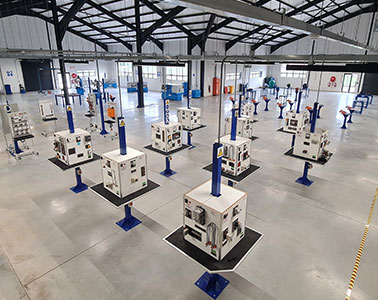
Enjoying cars can certainly help, but the occupation requires more than enthusiasm for vehicles. Learners must become disciplined in the way they test systems, use equipment, follow procedures and apply electrical principles to real automotive problems.
Develop Automotive Electrical Diagnostic Skills
Fault-finding is a major part of an automotive electrician’s work. A vehicle could arrive with a starting problem, warning light, charging fault, intermittent electrical issue or electronic component that is no longer functioning correctly.
The symptom is the beginning of the diagnostic process, not necessarily the answer.
A trained transportation electrician needs to assess possible causes systematically. This may involve inspecting circuits, checking power supply and earth connections, taking electrical measurements, examining wiring and connectors and consulting technical information.
Developing this methodical approach is valuable because replacing components without correctly identifying the fault can waste time and fail to repair the vehicle.
Occupational training helps learners work towards abilities associated with:
- Electrical testing and measurement
- Circuit interpretation and systematic fault tracing
- Safe use of automotive electrical equipment
- Identifying wiring and connection faults
- Applying technical information during diagnosis
- Following workshop and repair procedures
- Checking completed work before returning a vehicle to service
These skills contribute to both work quality and efficiency in an automotive workshop.
Automotive Electrical Training for Modern Vehicle Systems
The separation between vehicle mechanics and vehicle electronics is becoming increasingly narrow. Mechanical systems may be monitored by sensors, controlled electronically or connected to other systems through vehicle communication networks.
For an aspiring auto electrician, electrical training therefore needs to extend beyond basic wires, switches and batteries.
A sensor fault can affect how a vehicle operates. An electrical connection can cause an intermittent problem. A control system may receive incorrect information from another component. Finding these problems requires learners to connect electrical theory with what the vehicle is doing in practice.
This makes transportation electrical work particularly suitable for people who enjoy technical investigation. Some faults can be seen immediately. Others require testing, measurements and a careful process of elimination.
KYB Academy’s Occupational Certificate route combines technical learning, practical training and workplace exposure as part of the progression towards artisan competence. The qualification structure includes knowledge, practical and workplace-integrated learning components, helping learners connect their studies with actual automotive electrical work.
Where Can a Qualified Automotive Electrician Work?
The skills of a transportation electrician are relevant in several parts of the automotive and transport industries. The exact responsibilities will vary according to the employer, vehicle types and the artisan’s experience.
Possible employment environments include:
- Vehicle dealerships and service centres
- Independent automotive repair workshops
- Automotive electrical specialists
- Fleet maintenance operations
- Government vehicle and transport departments
- Commercial vehicle workshops
- Companies maintaining their own vehicle fleets
- Vehicle diagnostic and repair businesses
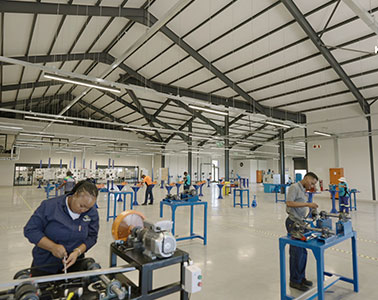
Qualified artisans continue developing their ability after entering the workplace. Different vehicle makes, electrical systems and diagnostic situations provide opportunities to build further experience throughout a career.
Technical Ability Is Only Part of Becoming an Artisan
A good automotive electrician also needs professional work habits.
Workshops operate around deadlines, safety procedures, customer expectations and accurate repairs. A technician who can diagnose an electrical problem but regularly loses tools, ignores procedures or communicates poorly can create unnecessary problems for an employer.
Learners preparing for this trade should therefore develop discipline from the start. Keeping tools organised, arriving prepared, following instructions, working safely and taking responsibility for completed work all contribute to workplace readiness.
Communication has practical value as well. An automotive electrician may need to explain what was tested, report the cause of a fault, identify required repairs and record completed work.
Workplace-integrated learning allows learners to experience these expectations within a working environment. There is an important difference between completing a controlled workshop exercise and performing technical tasks where real vehicles, workplace procedures and professional responsibilities are involved.
Transportation Electrician or Automotive Mechanic?
Learners interested in the motor industry sometimes have difficulty deciding between automotive mechanic training and transportation electrician training. The trades work closely together, but their main technical focus differs.
An automotive mechanic generally concentrates more heavily on mechanical vehicle systems, servicing and mechanical repair. A transportation or automotive electrician specialises more directly in electrical circuits, wiring, electrical diagnosis, electronic components and related vehicle control systems.
The overlap between the two trades is increasing as vehicles incorporate more electronically controlled functions, but each qualification develops a distinct artisan skill set.
For someone who enjoys electrical measurements, circuit testing, tracing difficult faults and investigating how vehicle electronics interact, the Automotive Electrician Occupational Certificate may be a particularly suitable career choice.
Learners comparing technical trades can read more about KYB Academy’s approach to practical occupational training - Artisan Training Centre in South Africa.
Build Skills for a Career in Automotive Electrical Work
Becoming an automotive electrician involves far more than learning how to replace batteries, starters or electrical components. The trade requires electrical knowledge, accurate testing, technical reasoning and the ability to determine why a system has failed before carrying out a repair.
There is also satisfaction in this type of work. A fault arrives as a problem that needs to be solved. The electrician tests the system, follows the evidence, identifies the cause and completes the required repair. For people who enjoy technical problem-solving, that process can form the basis of a rewarding artisan career.
The Transportation Electrician Occupational Certificate provides a structured training route for learners who want to build their careers around automotive electrical and electronic systems. It is particularly relevant to those who want recognised occupational training rather than a short introductory auto electrical course.
Learn more about KYB Academy and our technical training programmes.
Learners, parents or employers who would like information about applications, enrolment or upcoming Transportation Electrician Occupational Certificate intakes can contact KYB Academy directly.