


Electrical Skills Training Centre – TECH – NON-NQF – SP
Skills Programmes - Electrical & Plumbing
This training provides essential skills in electrical systems. Learners are introduced to safety standards, hand tools, electrical systems, domestic electrical circuits, and installations. Practical experience in soldering, conduit wiring, and wiring practices is included. The course prepares participants for entry-level roles such as domestic electrician assistant maintenance technician assistant in residential and commercial environments. Lunch is included on Training Days.
Programme Structure
Phase 1
Electrical Module 1: Electrical Safety & Basic Tools
Duration: 2 Days
Focus: Foundation & safety competence
Competencies Covered:
- Electrical safety principles & PPE
- Safety signs and colour coding
- Basic electrical hand tools
- Electrical measuring equipment
- Introduction to domestic electrical work
Phase 2
Electrical Module 2: Socket & Lighting Circuits
Duration: 4 Days
Focus: Core domestic electrical skills
Competencies Covered:
- Socket outlet circuits
- Lighting circuits
- Conduits and fittings
- Correct cable selection
- Safe wiring practices
Electrical Module 3: Domestic Installations
Duration: 4 Days
Focus: Applied electrical competence
Competencies Covered:
- Geyser circuits
- Domestic electrical installations
- Basic fault awareness
- Installation best practices
- Practical assessment
Duration: 2 Weeks
Minimum Group Size: 5 delegates
Entry Requirements:
- Grade 12 with Mathematics
or Mathematics Literacy
Included:
- Limited Toolbox and PPE (Jacket, Gloves & Safety Goggles)
- Training Materials & Consumables provided
- Safety Shoes compulsory (learner to be in possession)


Electrical Skills Training Centre & Courses for Practical Career Development
Practical Electrical Training Courses for Real Workplace Demands at KYB Academy’s Electrical Skills Development Training Centre
Choosing an Electrical skills training centre can give school leavers and individuals interested in the electrical business practical exposure to a technical field before they commit to a longer occupational qualification. KYB Academy offers electrical skills training focused on safety, tools, domestic circuits, wiring and installations. The programme combines technical knowledge with hands-on learning to build confidence, practical ability and a stronger foundation for entry-level opportunities in electrical and maintenance environments.
Develop Practical Skills at Our Electrical Skills Training Centre
Electrical work combines technical knowledge, accuracy, safety awareness and practical ability. For learners who enjoy working with their hands and solving technical problems, electrical training can provide an introduction to a field used across homes, businesses, construction and maintenance environments.
KYB Academy’s Electrical skills training centre provides structured training for learners interested in developing basic electrical competencies. The course introduces participants to electrical safety, tools, measuring equipment, domestic circuits, conduits, cable selection and installation practices.
Rather than focusing only on theory, learners gain practical exposure to the type of tasks and equipment associated with domestic electrical work.
The programme is a Non-NQF Skills Programme and should not be confused with KYB Academy’s separate Occupational Certificate Electrician qualification. Completing this electrical skills course does not qualify a learner as an electrician. It provides introductory training and practical experience that can support entry-level opportunities and help learners make informed decisions about further technical training.
What Will You Learn During the Electrical Skills Training Course?
Training at our Electrical skills training centre is structured across three modules completed over two weeks. Each stage develops a different area of electrical knowledge and practical competence.
Module 1: Electrical Safety & Basic Tools
The first two days establish important safety and technical foundations.
Learners are introduced to:
- Electrical safety principles and personal protective equipment
- Safety signs and colour coding
- Basic electrical hand tools
- Electrical measuring equipment
- Domestic electrical work
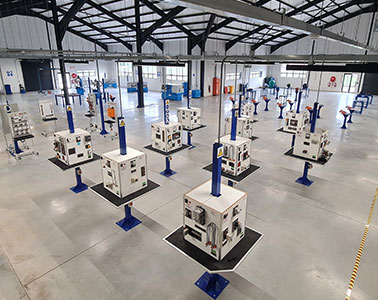
Safe working practices are an essential starting point for anyone considering electrical or technical work. This module helps learners become familiar with the equipment, terminology and basic safety principles they may encounter in an electrical environment.
Module 2: Socket & Lighting Circuits
The second module runs over four days and focuses on core domestic electrical skills.
Training covers socket outlet circuits, lighting circuits, conduits and fittings, correct cable selection and safe wiring practices.
Learners gain practical exposure to how components work together within domestic electrical circuits while developing greater confidence when working with electrical tools, cabling and fittings.
Module 3: Domestic Electrical Installations
The final four-day module moves into applied electrical skills.
Learners receive training in geyser circuits, domestic electrical installations, basic fault awareness, installation practices and practical assessment.
Together, these modules allow the Electrical skills training centre programme to move from basic safety and tools through to more applied domestic electrical tasks within a structured training environment.
Electrical Skills Training for School Leavers
Finishing matric creates an important decision point. University may suit some learners, while others prefer vocational education, technical programmes and hands-on skills development.
An Electrical skills training centre can be particularly appealing to learners who enjoy practical problem-solving, technical subjects and working with tools.
KYB Academy’s programme provides a short, focused introduction to electrical work. Learners can gain exposure to the field before deciding whether electrical work is a career direction they would like to pursue through further education, formal occupational training or workplace experience.
For parents researching tertiary development options after matric, practical skills programmes can also offer their children an opportunity to experience technical training in a structured environment.
Prepare for Entry-Level Electrical Opportunities
KYB Academy focuses this programme on employability. The electrical skills course is designed to prepare participants for potential entry-level roles such as domestic electrician assistant or maintenance technician assistant in residential and commercial environments.
These are assistant-level opportunities, not qualified electrician positions.
A learner who wants to become a qualified electrician would need to follow the appropriate occupational training, workplace learning and trade-testing pathway. KYB Academy offers a separate Occupational Certificate Electrician programme for learners pursuing that qualification route.
The Electrical skills training centre programme can serve a different purpose: developing introductory technical skills, providing practical exposure and helping learners gain a better sense of what electrical work involves.
Why Develop Electrical Skills in South Africa?
Technical and artisan skills remain important to South Africa’s economy and infrastructure. Electricians are listed by the South African Government among the country’s in-demand artisan trades, alongside plumbers, millwrights, welders and other technical occupations.
Electrical systems are present across residential properties, commercial buildings, manufacturing environments and infrastructure. This creates career paths for people who progress through the required formal training and become qualified in the trade.
For a young person considering this field, an Electrical skills training centre offers an opportunity to start developing technical ability and become familiar with electrical work before pursuing a longer career pathway.
South Africa’s current focus on artisan development also highlights the value of technical education. DHET statistics for 2024/25 recorded electrician as the largest trade among learners entering scarce-skills artisanal learning programmes, with 5,576 registrations.
Who Should Consider an Electrical Skills Course?
The programme may suit school leavers who:
- Enjoy technical, practical and hands-on work
- Have an interest in electrical systems and installations
- Want to develop basic electrical skills
- Are considering a future technical or artisan career
- Want practical exposure before committing to longer training
KYB Academy’s Electrical skills training centre gives learners an opportunity to experience technical training and build useful foundational skills within a focused two-week programme.

Electrical Training Programme Entry Requirements
The current electrical skills programme runs for two weeks with a minimum group size of five delegates.
Entry requirements are:
Grade 12 with Mathematics or Mathematical Literacy.
The programme includes a limited toolbox and PPE consisting of a jacket, gloves and safety goggles, as well as training materials and consumables. Safety shoes are compulsory and must be supplied by the learner.
Prospective learners and parents can contact KYB Academy for current course dates, fees and enrolment information.
Why Choose KYB Academy as Your Electrical Skills Training Centre?
KYB Academy focuses on practical education, technical skills development and preparing young people for the workplace.
At our Electrical skills training centre, learners do more than learn electrical terminology. They work through safety principles, tools, socket and lighting circuits, conduits, wiring practices and domestic installations.
This practical approach allows students to gain first-hand exposure to electrical work while developing skills they can build on through future training and workplace experience.
KYB Academy also offers other technical programmes for learners who wish to continue developing towards formal artisan career pathways.



Start Your Electrical Skills Training at KYB Academy
Technical careers begin with developing the right knowledge, skills and practical experience.
KYB Academy’s Electrical skills training centre provides school leavers with a focused introduction to electrical work through practical training in safety, tools, circuits, wiring and domestic installations.
For learners interested in electrical work, this programme provides an opportunity to develop foundational skills, gain practical exposure and prepare for the next step in their technical development.
Enquire about the KYB Academy Electrical Skills Programme and start developing practical electrical skills for your future.