

How to Become a Qualified Welder in South Africa | KYB
How to Become a Qualified Welder in South Africa
Want to turn practical welding skills into a recognised trade qualification? At KYB Academy, we provide welding courses that help learners develop the technical knowledge, workshop experience and occupational competence needed for welding careers. From introductory welding skills to formal artisan training, we offer different programmes depending on your experience and career goals.
Becoming a Welder: What Does the Career Involve?
Welding is used wherever metal components need to be joined, repaired or fabricated. From structural steelwork and industrial machinery to pipelines and manufacturing equipment, welders perform work that must meet specific measurements, strength requirements and safety standards.
A qualified welder needs more than the ability to join two pieces of metal. The occupation requires knowledge of materials, welding processes, technical drawings, joint preparation and inspection procedures.
If you are considering how to become a welder in South Africa, your first decision is whether you want to learn basic welding skills or pursue a formal artisan qualification.
At KYB Academy, we offer training for different levels of welding experience. Students can develop practical abilities through shorter skills programmes or work towards the Occupational Certificate: Welder, which includes technical education, practical modules and workplace-integrated learning.
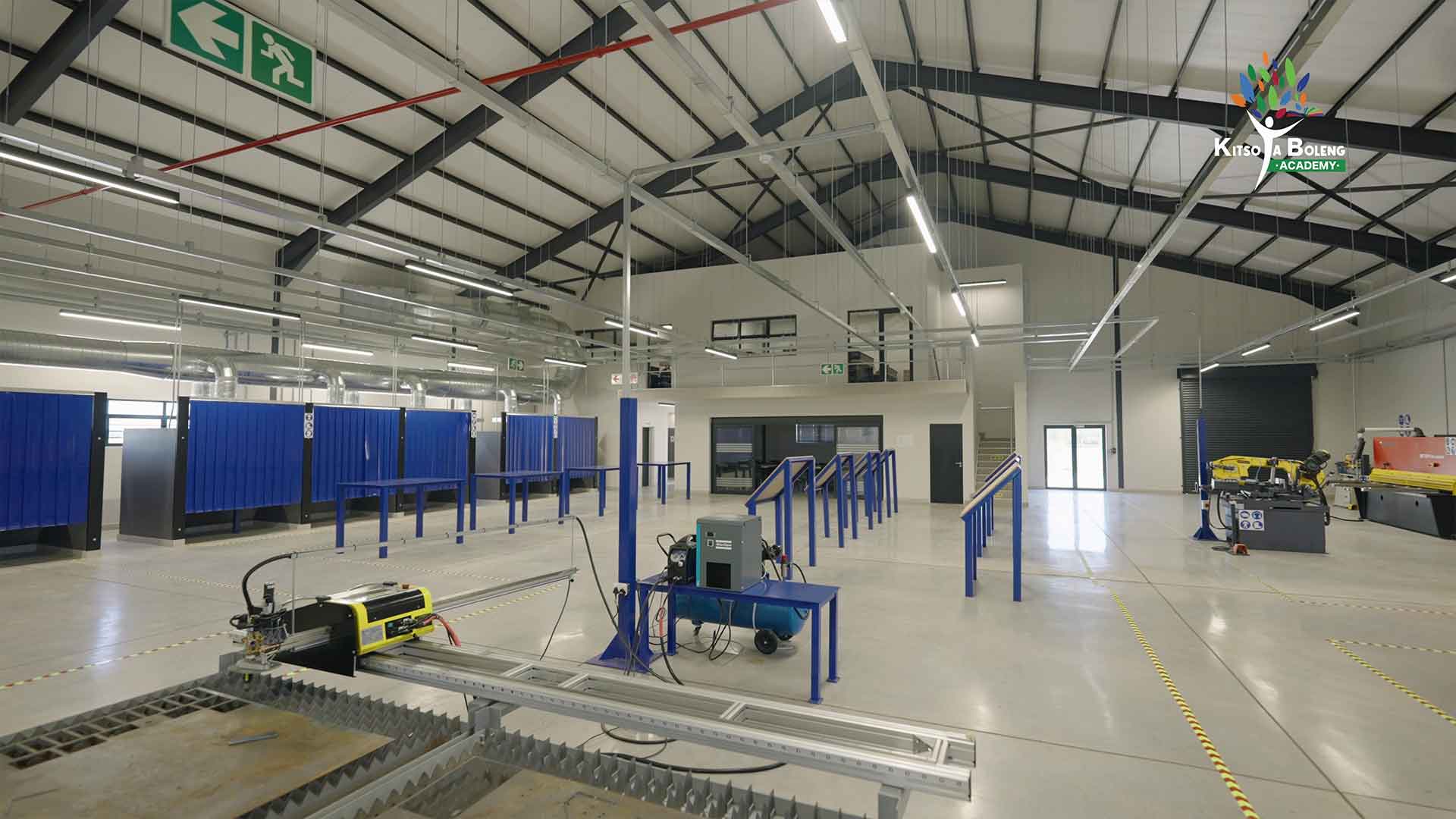
Our training takes place at our technical campus in Potchefstroom, where learners develop welding competence through structured instruction and practical activities.
The right training route depends on your current skills, academic background and the type of welding work you want to pursue.
Choose the Welding Qualification That Matches Your Career Plans
Not all welding certificates represent the same level of training. Some programmes introduce learners to workshop procedures and welding techniques, while occupational qualifications prepare students for the full requirements of an artisan trade. We offer three welding training options at KYB Academy, each serving a different purpose.
1. Occupational Certificate: Welder
Our Welder Occupational Certificate is intended for students who want to work towards becoming qualified welding artisans.
The programme is based on the QCTO Occupational Certificate: Welder, SAQA ID 94100, registered at NQF Level 4 with 373 credits.
Training includes occupational knowledge modules, practical welding activities and workplace experience, followed by the prescribed external assessment.
Students learn techniques used in metal preparation, cutting, fabrication and welding different types of joints.
This is the most suitable option among our welding programmes for learners whose goal is to obtain a formal artisan qualification.
2. Coded Welder Skills Programme
Our Coded Welder Skills Programme is designed for people who already have welding experience and want to develop more specialised technical abilities.
This four-month, NQF Level 4 QCTO Skills Programme covers welding processes such as Shielded Metal Arc Welding, Gas Metal Arc Welding and Gas Tungsten Arc Welding.
Applicants must have at least one year of welding experience, meet the relevant academic requirements and be at least 18 years old.
It is a focused skills programme rather than the full Occupational Certificate: Welder. Completing it does not automatically confer artisan status or certification for every welding procedure.
3. Short Welding and Metalwork Training
For learners who want practical exposure before committing to a longer qualification, we also offer a four-week Welding and Metalwork Skills Programme.
Training introduces workshop safety, cutting, metal preparation, Arc welding, MIG welding and TIG welding.
The programme is non-NQF registered and does not replace a formal artisan qualification. It is intended to develop foundational abilities for people interested in practical metalworking.
What Do You Need to Study Welding in South Africa?
Entry requirements depend on the programme you select. A short welding course may have different admission criteria from an Occupational Certificate or specialised coded welding programme.
For our Occupational Certificate: Welder, applicants can qualify through specified Grade 9 or Grade 10 entry routes.
Our current course requirements include:
- Grade 9/NQF Level 1 with at least 40% in Mathematics and 30% in Natural Science, subject to successful completion of our Technical Preparation Bridging Programme; or
- Grade 10/NQF Level 2 with at least 50% in Mathematics, Mathematical Literacy or Technical Mathematics.
- A minimum age of 16 years.
- A South African identity document or passport with the appropriate study permit.
- Compliance with the admission conditions applicable to the chosen qualification.
Applicants should confirm the latest admission requirements with our team before enrolling.


Can You Become a Welder Without Matric?
Yes. The entry requirements for our Occupational Certificate: Welder provide a pathway for eligible Grade 9 and Grade 10 students.
You do not necessarily need a Grade 12 certificate to begin training towards a welding artisan qualification.
However, mathematics and scientific knowledge are useful in welding because learners work with measurements, calculations, temperatures, materials and technical specifications.
If you need additional preparation, our Technical Preparation Bridging Programme can help you develop the foundation required for further technical studies, subject to its admission criteria.


From Workshop Training to a Qualified Welding Artisan
Becoming a qualified welder involves developing technical competence and demonstrating that you can produce welds according to the required procedures and standards.
Our Occupational Certificate follows a structured training process that combines education with practical application.
Learn the Principles Behind Welding
During the knowledge training component, students study welding safety, materials, calculations, joint types, technical drawings and welding processes.
Learners develop an appreciation of how metal behaves during heating and cooling, why weld preparation affects joint quality and how different processes suit particular applications.
They also learn about welding imperfections, consumables, equipment settings and inspection requirements.
Develop Practical Welding Skills
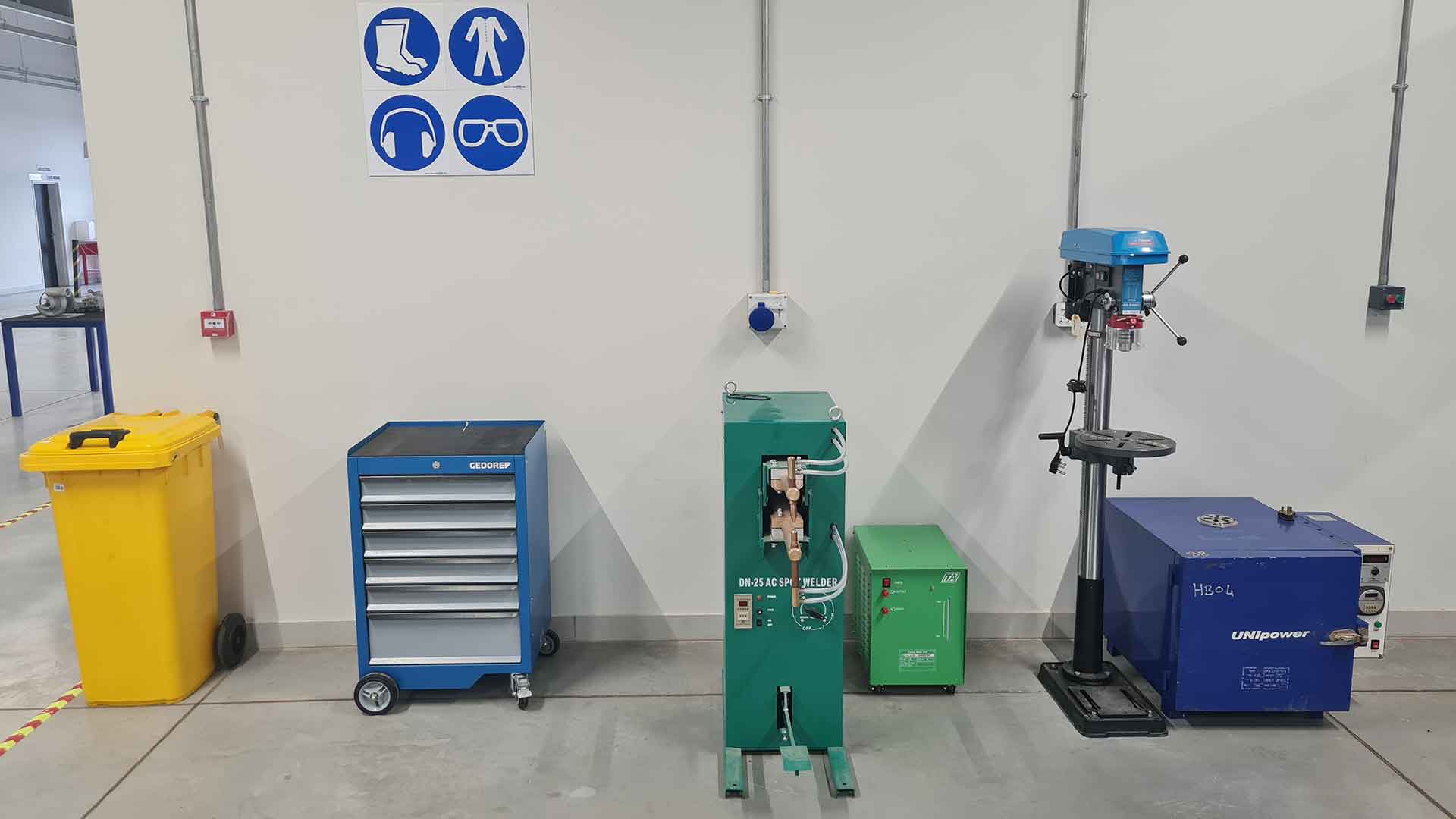
Practical training allows students to apply their knowledge while working with materials, tools and welding equipment.
The Occupational Certificate covers cutting and gouging, gas welding and several arc welding processes.
Learners practise producing fillet welds, plate joints and pipe welds using relevant techniques.
Accuracy is especially important. Poor joint preparation, incorrect equipment settings or unsuitable welding techniques can affect the quality and integrity of a finished weld.
Our workshop training focuses on developing safe procedures, consistent technique and practical competence.
Complete Workplace Experience and Trade Assessment
Workplace-integrated learning is another requirement of the Occupational Certificate.
During this component, learners develop experience through supervised welding activities in an approved working environment.
After completing the required knowledge, practical and workplace modules, eligible learners progress towards the External Integrated Summative Assessment, including the applicable trade test.
Successful completion of the prescribed assessment and certification requirements is necessary to achieve recognition as a qualified welding artisan.
Our admissions team can confirm the current training schedule, workplace arrangements and assessment requirements.

Where Can Qualified Welders Work in South Africa?
Welding is used across several industries, and the type of work can vary considerably between employers.
A welder in a fabrication workshop may produce steel components from technical drawings. In an industrial maintenance environment, the work may involve repairing equipment or replacing damaged metal sections.
Other positions require specialised welding procedures for piping, structural components or machinery.
Qualified welders may pursue opportunities in:
- Manufacturing and metal fabrication workshops.
- Mining equipment maintenance and repair.
- Construction and structural steelwork.
- Petrochemical plants and industrial piping.
- Engineering contractors and machinery manufacturers.
- Industrial shutdown and maintenance projects.
Career opportunities depend on practical experience, qualifications, tested welding procedures and employer requirements.
Some welders later specialise in particular processes or materials. Others move towards welding supervision, inspection-related work or running their own fabrication businesses.
A formal artisan qualification provides an occupational foundation, while further experience and specialised assessments may be required for particular welding positions.
Study Welding at KYB Academy
Learning to weld requires repeated practice, careful instruction and the willingness to improve your technique.
At KYB Academy, we combine technical education with practical training to help learners develop the skills associated with their chosen welding pathway.
Our Occupational Certificate programme includes a trade-specific toolbox with a welding helmet, personal protective equipment, training materials and consumables.
Students also receive instruction in workplace safety and the correct use of tools and equipment.
We place emphasis on developing practical competence, accuracy, discipline and responsibility in the workshop.
Whether you are starting your technical education or already have welding experience, we can help you identify the programme that suits your training requirements.
Start Your Welding Career with KYB Academy
If you want to know how to become a qualified welder in South Africa, begin by choosing the appropriate training route.
Our Occupational Certificate: Welder provides a structured pathway towards artisan qualification. Our shorter welding programmes offer practical training for beginners and experienced welders with different objectives.
Contact KYB Academy to enquire about course entry requirements, fees, programme duration and upcoming intakes.
Apply for Welding Training at KYB Academy
Develop the technical knowledge and practical welding competence needed to work towards your chosen career in the welding industry.
Develop your mechanical and electrical skills through structured artisan training at KYB Academy.