


Electrical Trade Certificate & Courses | KYB Academy
Electrical Trade Certificate & Courses at KYB Academy
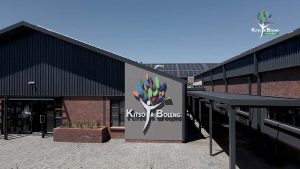
Build the skills that keep homes, businesses and industries powered. At KYB Academy, our Electrical Trade Certificate & Courses give learners practical routes into the electrical field, whether the goal is to work towards becoming a qualified electrician or to start with focused electrical skills training. Electrical work calls for technical knowledge, accuracy, problem-solving ability and respect for safety. It is a hands-on career for people who want to understand how electrical systems work and develop the practical competence to install, test, maintain and repair them. Our technical training centre in Potchefstroom offers structured electrical training with a strong focus on practical competence and workplace preparation. Start your technical career with KYB Academy.
Electrical Trade Certificate & Courses for Future Electricians
There is an important difference between completing an introductory electrical course and following the formal route towards becoming a qualified electrician.
At KYB Academy, learners can choose between:
- The Occupational Certificate: Electrician – an NQF Level 4 artisan qualification route incorporating knowledge, practical training and workplace experience.
- The Electrical Skills Programme – a two-week Non-NQF programme introducing learners to electrical safety, tools, domestic circuits and installation practices.
These courses serve different purposes. A learner who wants to become a qualified electrician should follow the formal Occupational Certificate and trade-testing pathway. A short electrical skills course develops useful introductory competencies but does not qualify someone as an electrician.
Knowing this difference helps learners choose training that matches their actual career goal.
Occupational Certificate: Electrician – Your Artisan Training Route
KYB Academy’s Occupational Certificate: Electrician programme is designed for learners who want to pursue the electrician trade professionally. The programme is SAQA ID 91761, carries 360 credits and is registered at NQF Level 4. SAQA describes the purpose of the qualification as preparing a learner to operate as an electrician. Qualified learners are trained to plan and prepare electrical work, install wiring and equipment, test and inspect installations, commission systems, and maintain or repair electrical equipment and control systems. The qualification is structured around three connected areas of development:
Knowledge Modules
Learners build the technical theory required to understand electrical principles, equipment, installations, control systems and safe working practices.
Practical Modules
Workshop training allows learners to apply electrical theory through practical tasks, technical exercises, projects and problem-solving.
Workplace-Integrated Learning
Learners gain experience within an approved workplace environment, applying their training to actual electrical tasks while completing the required workplace learning and logbook components.
This combination is important because becoming an electrician requires more than learning technical theory. An artisan needs to demonstrate that knowledge practically and apply it safely within a workplace.
What Do You Learn During Electrician Training?
Electrician training develops competence across electrical installation, maintenance, testing and fault-finding.
The Occupational Certificate prepares learners for activities involving electrical equipment, wiring and control systems. SAQA lists the occupational outcomes as including installing and connecting equipment, testing electrical systems, commissioning installations and carrying out maintenance and repairs.
At KYB Academy, electrical artisan training includes exposure to areas such as:
- Electrical wiring and installations
- Electrical safety
- Circuit breakers
- Electrical control panels
- Testing and inspection
- Fault finding
- Electrical maintenance and repair
- Planning and preparing electrical work
- Practical workshop activities
- Workplace-integrated electrical training

The aim is not simply to memorise electrical principles. Learners need to develop the ability to assess technical problems, work methodically, use equipment correctly and complete electrical tasks according to the standards expected within the trade.


How Long Does the Electrician Course Take?
Becoming a qualified artisan is a substantial training commitment because it includes academic learning, practical training and workplace experience.
KYB Academy’s current Electrician programme page lists:
Phase 1: 19 months
Phase 2: 17 months
Phase 3: 3 months, subject to the Gap Analysis Assessment.
Phase 1 is completed at KYB Academy’s Technical Campus and includes the Knowledge and Practical Modules.
Phase 2 covers workplace-integrated learning at an approved host company, where learners gain practical workplace experience and complete their required logbook.
Phase 3 returns to the technical campus for Gap Analysis Assessment and preparation for the final External Integrated Summative Assessment, or EISA Trade Test.
Applicants should confirm the current programme schedule, intake dates and workplace requirements with KYB Academy when enrolling, as programme arrangements can change.
What NQF Level Is the Electrical Trade Certificate?
The Occupational Certificate: Electrician, SAQA ID 91761, is registered at NQF Level 4 and carries 360 credits.
This is an occupational qualification specifically developed for the electrician trade.
An NQF Level should not be viewed on its own when comparing courses. Learners should also check whether a programme is an Occupational Certificate, whether it leads towards a recognised trade, what workplace experience is required and what external assessment must be completed.
KYB Academy’s short Electrical Skills Programme, for example, is a Non-NQF programme and must not be confused with the NQF Level 4 Occupational Certificate.
How Do You Become a Qualified Electrician?
For a learner following the Occupational Certificate route, becoming a qualified electrician requires progression through the prescribed theoretical, practical and workplace components followed by the required external assessment.
A typical route involves:
- Enrolling for the relevant Occupational Certificate with an accredited training provider.
- Completing the required Knowledge Modules.
- Completing Practical Skills Modules.
- Completing the required workplace experience.
- Building and completing the required workplace logbook.
- Meeting the requirements for admission to the final external assessment.
- Completing the EISA Trade Test successfully.
KYB Academy structures its Electrician programme around this progression, with technical campus training followed by workplace-integrated learning and final assessment preparation.
A short electrical course by itself is not a substitute for this artisan qualification route.
Electrician Trade Test Preparation and Certification
The trade test is a significant stage in becoming a qualified artisan.
KYB Academy’s Occupational Certificate programme includes a final phase involving Gap Analysis Assessment and preparation for the External Integrated Summative Assessment. For this trade, the EISA is the trade test.
This assessment determines whether the learner can combine technical knowledge, practical ability and workplace experience at the competence level expected of an electrician.
It is one reason practical workshop and workplace training are so valuable. Learners need to do more than know the correct answer on paper; they need to demonstrate the required occupational competence.
Entry Requirements for the Electrician Occupational Certificate
KYB Academy’s current programme information lists the following entry routes for the Electrician Occupational Certificate:
- NQF Level 1 / Grade 9 with the specified Mathematics and Natural Science results, subject to a KYB assessment; or
- NQF Level 2 / Grade 10 with the required Mathematics, Mathematical Literacy or Technical Mathematics result.
- Applicants must be at least 16 years old.
- Applicants require a South African ID or a passport with the applicable study permit.
Prospective learners should check the current course page and speak to KYB Academy before applying, particularly where academic results need to be assessed.
Need Extra Preparation Before Starting an Artisan Course?
Not every learner arrives with the same technical or academic foundation.
KYB Academy therefore offers a Technical Preparation Bridging Programme for learners who need additional preparation before entering an Occupational Certificate artisan programme.
The five-month Non-NQF programme covers areas including mathematics, physics, literacy and fundamental technical and engineering principles. It combines theoretical learning with practical exposure and is specifically intended to prepare learners for technical Occupational Certificate studies.
For a learner who wants to enter an electrical trade but needs to strengthen technical foundations first, this can provide a structured preparation route.
Short Electrical Courses for Practical Skills Development
Not everyone searching for electrical trade courses is immediately looking for a full artisan qualification.
KYB Academy also offers a two-week Electrical Skills Programme focused on introductory domestic electrical skills.
The programme consists of three practical modules.
Electrical Safety and Basic Tools
Learners are introduced to:
- Electrical safety principles and PPE
- Safety signs and colour coding
- Electrical hand tools
- Electrical measuring equipment
- Basic domestic electrical work

Socket and Lighting Circuits
Training then moves into practical electrical work involving socket outlet circuits, lighting circuits, conduits and fittings, cable selection and safe wiring practices.
Domestic Electrical Installations
The final module includes geyser circuits, domestic electrical installations, basic fault awareness, installation practices and a practical assessment.
The programme runs for two weeks and currently requires Grade 12 with Mathematics or Mathematical Literacy.
It is important to be clear about the outcome: this is a Non-NQF Skills Programme. Completing it does not make the learner a qualified electrician. It is suitable for people who want introductory practical electrical training, greater exposure to the field or basic skills that may support assistant-level opportunities.
Who Should Consider Electrical Trade Training?
Electrical training may suit you if you enjoy practical work but also have the patience to work accurately and systematically.
Successful electrical work requires more than being “good with your hands”. Learners need to be comfortable with technical concepts, calculations, diagrams, testing procedures and strict safety requirements.
An electrical trade may suit learners who:
- Enjoy solving technical problems
- Like practical, hands-on work
- Are interested in electricity, circuits and equipment
- Can work accurately and follow procedures
- Have strong safety awareness
- Want a recognised artisan career
- Are willing to complete workplace training
- Prefer a career that combines technical thinking with physical tasks
Electrical work is found across many sectors. SAQA identifies contexts including construction, manufacturing, chemical operations, energy, mining, municipal services, agriculture and rail.
Career Opportunities After Qualifying as an Electrician
A qualified electrician can develop experience in different working environments depending on training, employer requirements and any additional certifications or legal authorisations required for specific duties.
Potential work settings include residential electrical services, commercial properties, industrial maintenance departments, factories, manufacturing plants, construction projects, municipal environments, agriculture and energy-related operations.
SAQA also identifies later specialist areas such as metering, medium- and high-voltage work, hazardous areas, cable jointing, switching and protection. These are specialist fields and may require further training, competency verification or authorisation after qualifying as an electrician.
The electrical qualification can also provide a base for continued study. SAQA records vertical articulation possibilities into relevant Higher Certificates at NQF Level 5.
Why Choose KYB Academy for Electrical Trade Training?
At KYB Academy, we believe technical education should prepare learners for the work they will eventually be expected to perform.
Our electrician artisan programme brings together technical learning, workshop practice and workplace-integrated experience. Learners progress from building electrical knowledge at our Technical Campus to applying those skills within a real workplace environment before preparing for their final trade assessment.
For learners who are not yet ready to commit to the full Occupational Certificate, our shorter Electrical Skills Programme provides practical exposure to domestic electrical work and an opportunity to experience technical training first-hand.
Different learners need different starting points. Our role is to help you choose a training route that fits the career you want to build.
Start Your Electrical Career at KYB Academy
If you see yourself working with electrical installations, testing equipment, tracing faults and solving technical problems, start building the knowledge and practical competence the trade requires.
Choose the full Occupational Certificate: Electrician if your goal is to progress towards becoming a qualified artisan, or consider our shorter Electrical Skills Programme if you want practical introductory training.
Visit Applications & Enrolments to take the next step, or speak to KYB Academy about entry requirements, upcoming intakes, programme fees and the electrical training route suited to your career plans.
Your future in the electrical trade can start with the right training. Build it with KYB Academy.