


Millwright Apprenticeship Requirements & Training | KYB
Millwright Apprenticeships: Qualifications and Requirements in South Africa
Interested in a millwright apprenticeship in South Africa? At KYB Academy, we offer an Occupational Certificate: Millwright programme that combines electrical and mechanical training, practical workshop instruction and workplace experience. Learn about our entry requirements, course structure and the qualifications needed to pursue a career as a millwright.

Millwright Apprenticeships and Occupational Training in South Africa
Millwrights are responsible for keeping industrial machinery operating correctly. Their work combines mechanical engineering skills with electrical knowledge, making them valuable in factories, production facilities, processing plants and industrial maintenance departments.
If you enjoy working with machinery, investigating technical problems and repairing equipment, becoming a millwright may be a suitable career choice.
A millwright apprenticeship typically combines technical education with practical experience under workplace supervision. Learners develop the knowledge and competence required to install, maintain, inspect and repair industrial machinery.
At KYB Academy, we offer a Millwright Occupational Certificate programme that prepares students for this technical occupation through classroom instruction, workshop activities and workplace-integrated learning.
Our programme covers both electrical and mechanical disciplines, allowing students to develop practical abilities across different industrial systems.
Whether you have recently left school or want to pursue a recognised artisan qualification, our training provides a structured route towards the occupational requirements of the millwright trade.
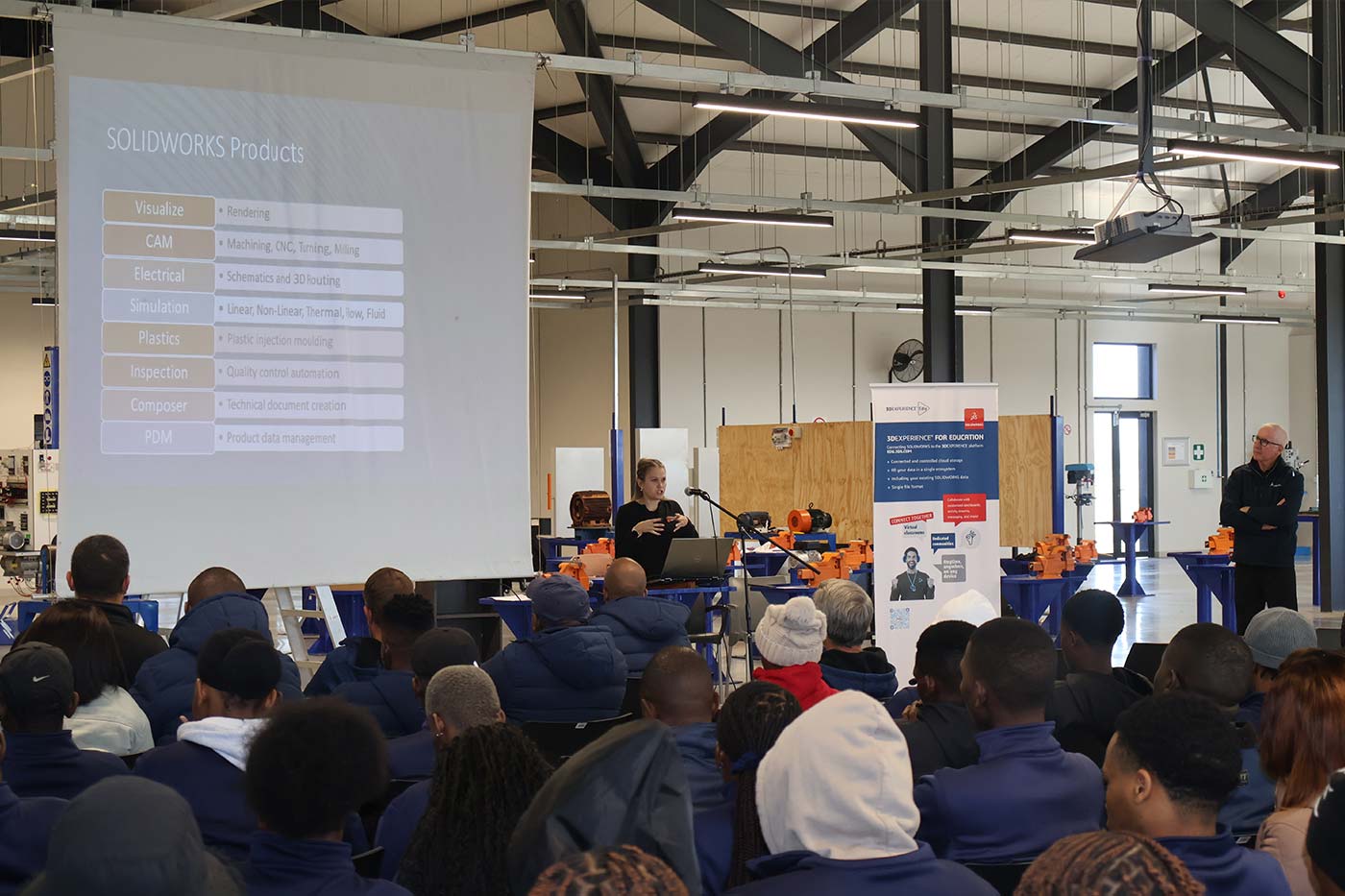
What Is the Difference Between an Apprenticeship and an Occupational Certificate?
A registered millwright apprenticeship involves a formal workplace-based learning arrangement between the relevant parties, including the learner and employer. An Occupational Certificate is the recognised qualification that specifies the knowledge, practical skills and workplace experience required for the occupation. These pathways are closely related, but enrolling for an Occupational Certificate does not automatically mean you have entered a registered or paid apprenticeship. Our millwright programme includes workplace learning requirements. We recommend confirming the arrangements for workplace experience, apprenticeship registration and any applicable funding before enrolling.
Millwright Apprenticeship Requirements at KYB Academy
Before applying for millwright training, you need to establish whether your academic results meet the admission criteria.
Our Occupational Certificate: Millwright is registered at NQF Level 4 under SAQA qualification ID 97585, with 697 credits.
The qualification covers mechanical fitting, electrical systems, machinery maintenance, fault diagnosis, installation and commissioning.
Can You Apply for Millwright Training Without Matric?
Yes. Matric is not compulsory for every applicant to our Millwright Occupational Certificate programme.
We provide admission routes for eligible students who have completed Grade 9 or Grade 10.
For Grade 9 applicants, our entry requirements specify at least 50% in Mathematics and Science, together with successful completion of the KYB Technical Preparation Bridging Programme.
Grade 10 applicants may also qualify through the NQF Level 2 entry route, subject to the required Mathematics-related results.
Our current online course information and 2026 prospectus show different minimum Grade 10 mark thresholds. Please confirm the applicable requirement directly with our admissions team before applying.



Additional Admission Requirements
In addition to the academic requirements, applicants must meet our general programme admission conditions.
These include:
- A qualifying Grade 9 or Grade 10 educational background.
- The required Mathematics and Science or Mathematics-related subject results.
- A minimum age of 16 years.
- A South African identity document or passport with the appropriate study permit.
- Completion of any applicable bridging programme or admission requirements.
If you are uncertain about your eligibility, contact us with your latest school results. We can provide the current entry requirements and information about your available training options.


What Qualifications Do You Need to Become a Millwright?
A millwright must understand how mechanical and electrical systems work together. This requires more than learning individual repair procedures.
Industrial machinery contains mechanical components such as shafts, bearings, gears and drive systems, together with electrical equipment including motors, switches, control circuits and protection devices.
Millwrights need the knowledge to inspect these systems, identify faults and carry out repairs without compromising safety or equipment operation.
Electrical and Mechanical Skills Covered During Training
Our Millwright Occupational Certificate combines theoretical learning with practical activities related to industrial machinery.
Students develop competence in areas such as:
- Mechanical fitting, component assembly and equipment maintenance.
- Electrical circuits, motors, wiring and control equipment.
- Interpreting technical drawings and equipment information.
- Using engineering hand tools, power tools and measuring instruments.
- Fault-finding on mechanical, electrical and electronic systems.
- Installing, testing and commissioning industrial machinery.
The programme also addresses occupational safety, maintenance procedures and the correct handling of technical equipment.
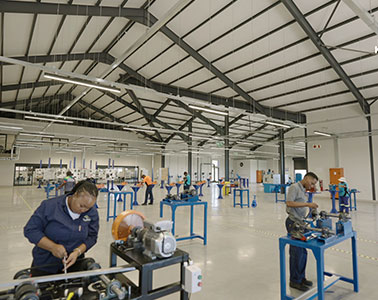
These skills provide the foundation required for supervised workplace activities and further assessment.
Millwright vs Electrician: Which Qualification Should You Choose?
Although millwrights and electricians both work with electrical equipment, the occupations have different responsibilities.
Electricians concentrate on electrical installations, circuits, equipment testing and electrical maintenance.
Millwrights work across electrical and mechanical systems, particularly those associated with industrial machinery and production equipment.
If you enjoy working with motors, mechanical assemblies, machinery repairs and electrical fault diagnosis, millwright training may suit your interests.
Students who prefer concentrating on electrical installations and systems can also consider our Electrician Occupational Certificate.
How Our Millwright Training Programme Works
At KYB Academy, we structure millwright training around the knowledge, practical skills and workplace experience required for the Occupational Certificate.
The programme follows three phases, preparing learners progressively for occupational assessment.
Phase 1: Technical Training and Workshop Instruction
Training begins at our technical campus, where students complete theoretical and practical modules.
Classroom sessions cover engineering principles, mechanical systems, electrical theory and the technical requirements of the trade.
Practical instruction provides opportunities to work with components, tools and equipment while developing safe working habits.
Our published programme schedule allocates 20 months to this phase.
Phase 2: Workplace-Integrated Learning
Workplace-integrated learning allows students to apply their training in an industrial environment under appropriate supervision.
Activities may involve preventive maintenance, component replacement, machinery inspection, electrical testing, mechanical repairs and equipment installation.
Students become familiar with industrial maintenance procedures and the responsibilities of working with operating machinery.
The qualification requires documented workplace experience, which forms part of the learner's preparation for final assessment.
Our published schedule allocates 26 months to this phase. Workplace arrangements and requirements should be confirmed during enrolment.
Phase 3: Millwright Trade Test Preparation
The final phase involves gap analysis and preparation for the External Integrated Summative Assessment (EISA).
This assessment measures whether learners have developed the knowledge and practical competence required for the millwright occupation.
Our programme schedule allows three months for this phase, subject to the outcome of the gap analysis assessment.
Successful completion of the prescribed external assessment, including the applicable trade test requirements, is necessary to qualify for artisan certification.
Why Choose KYB Academy for Millwright Training?
Choosing a millwright training centre involves considering the qualification offered, the practical training provided and the arrangements for developing workplace competence.
At KYB Academy, our training focuses on the technical knowledge and practical abilities required for industrial maintenance occupations.
Students learn to connect engineering theory with the equipment, procedures and responsibilities they will encounter during workplace training.
What Is Included in Our Millwright Programme?
Our published Millwright Occupational Certificate package includes a trade-specific toolbox, personal protective equipment, training materials, consumables, a Microsoft A1 licence and lunch during the first training phase.
We also provide an organised technical learning environment where students can develop their practical abilities and professional working habits.
Our approach places emphasis on accuracy, safety, problem-solving and responsibility when working with machinery.
Students can also enquire about our technical skills training programmes if they are considering other engineering and artisan qualifications.
Millwright Career Opportunities After Qualification
Qualified millwrights work with industrial machinery used in manufacturing, mining, processing and production environments.
Their responsibilities may include maintaining equipment, investigating breakdowns, replacing components, repairing electrical and mechanical systems and assisting with machinery installations.
Millwrights may pursue employment in engineering workshops, industrial maintenance departments, manufacturing plants and technical service companies.
With suitable experience and further training, career development may include specialist maintenance work, supervisory responsibilities or technical planning positions.
Employment opportunities depend on industry demand, individual experience and employer requirements. Completing the qualification does not guarantee employment, but it provides a recognised occupational foundation for pursuing work in the millwright trade.
Apply for Millwright Training at KYB Academy
If you are interested in a millwright apprenticeship or occupational qualification, we can assist you with information about our admission requirements, training phases and application process.
Our Millwright Occupational Certificate provides the electrical and mechanical training needed to work towards a recognised artisan qualification.
Contact KYB Academy to confirm your eligibility, enquire about course fees and intake dates, and discuss the workplace learning requirements.
Apply for Millwright Training at KYB Academy
Develop your mechanical and electrical skills through structured artisan training at KYB Academy.